
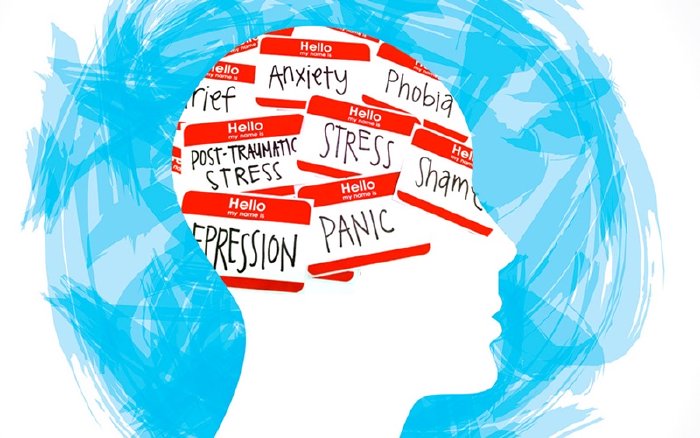
In today’s fast-paced, high-pressure world, maintaining mental health is more crucial than ever. Stressors from work, relationships, and societal expectations can weigh heavily on our well-being. Taking proactive steps to prioritize mental health is not only essential for managing stress but also for leading a balanced and fulfilling life.
This article explores actionable strategies to nurture your mental health, enhance resilience, and improve your overall well-being.
Why Mental Health Is Important
Mental health impacts every facet of our lives, from emotional stability to decision-making and social relationships. It encompasses our psychological, emotional, and social well-being, influencing how we handle stress, connect with others, and navigate daily challenges.
Neglecting mental health can lead to issues like anxiety, depression, and burnout, affecting productivity, relationships, and quality of life. Recognizing the importance of mental health is the first step toward building a healthier, more fulfilling life.
1. Practice Self-Care Regularly
Self-care is a cornerstone of mental well-being. It involves engaging in activities that promote relaxation, self-reflection, and joy.
- Set Boundaries: Learn to say no when your mental or emotional energy is drained.
- Pursue Hobbies: Dedicate time to activities that bring you happiness and satisfaction, such as painting, gardening, or reading.
- Take Breaks: Incorporate downtime into your daily schedule to recharge your mind and body.
2. Stay Physically Active
Regular exercise not only benefits your physical health but also significantly boosts mental well-being. Physical activity stimulates the release of endorphins, which improve mood and reduce stress.
- Aim for 150 minutes of moderate exercise weekly.
- Try activities such as yoga, jogging, swimming, or even a brisk walk.
- Consider outdoor activities, as being in nature can amplify mental health benefits.
3. Strengthen Social Connections
Human connection is fundamental to mental health. Building a supportive social network provides emotional support, reduces stress, and fosters a sense of belonging.
- Reach Out: Call or meet friends and family regularly.
- Join Communities: Participate in clubs, social groups, or volunteer opportunities.
- Practice Active Listening: Engage deeply in conversations to strengthen bonds.
4. Adopt Mindfulness and Meditation Practices
Mindfulness and meditation encourage staying present, reducing stress, and fostering emotional clarity.
- Deep Breathing Exercises: Focus on slow, deep breaths for relaxation.
- Guided Meditations: Use apps like Calm or Headspace to ease into meditative practices.
- Mindful Movement: Incorporate yoga or tai chi into your routine for mental and physical alignment.
5. Limit Screen Time and Social Media
Excessive screen time, particularly on social media, can harm mental health by promoting comparison and negativity.
- Set Boundaries: Allocate specific times for checking your devices.
- Curate Your Feed: Follow uplifting and inspiring accounts, and unfollow those that cause stress.
- Engage Offline: Focus on hobbies and activities that don’t involve screens.
6. Seek Professional Help When Necessary
Mental health challenges are not always manageable alone. Consulting a therapist or counselor can provide valuable tools and insights for navigating difficulties.
- Therapy Options: Explore talk therapy, cognitive behavioral therapy (CBT), or other modalities suited to your needs.
- Medication Support: For certain conditions, medication prescribed by a healthcare professional may be beneficial.
7. Focus on Gratitude
Cultivating gratitude can positively influence your mental health by shifting your mindset toward appreciation.
- Keep a gratitude journal to list three things you’re thankful for daily.
- Reflect on moments of joy and the small wins in your life.
- Express gratitude to others through kind words or gestures.
8. Maintain a Healthy Lifestyle
Your physical habits directly impact mental well-being.
- Nutrition: Opt for a balanced diet rich in whole foods, lean proteins, and healthy fats.
- Sleep Hygiene: Ensure you’re getting 7-9 hours of quality sleep per night.
- Hydration: Drink plenty of water to maintain energy and focus.
Conclusion
Prioritizing mental health is not a luxury—it’s a necessity for a healthy, balanced life. By implementing practices like self-care, mindfulness, and exercise, and by fostering social connections, you can strengthen your mental resilience and enjoy a higher quality of life.
Remember, mental health is a journey, not a destination. Take small, consistent steps, and don’t hesitate to seek professional help when needed. Start today by embracing habits that nurture your mind and well-being.