
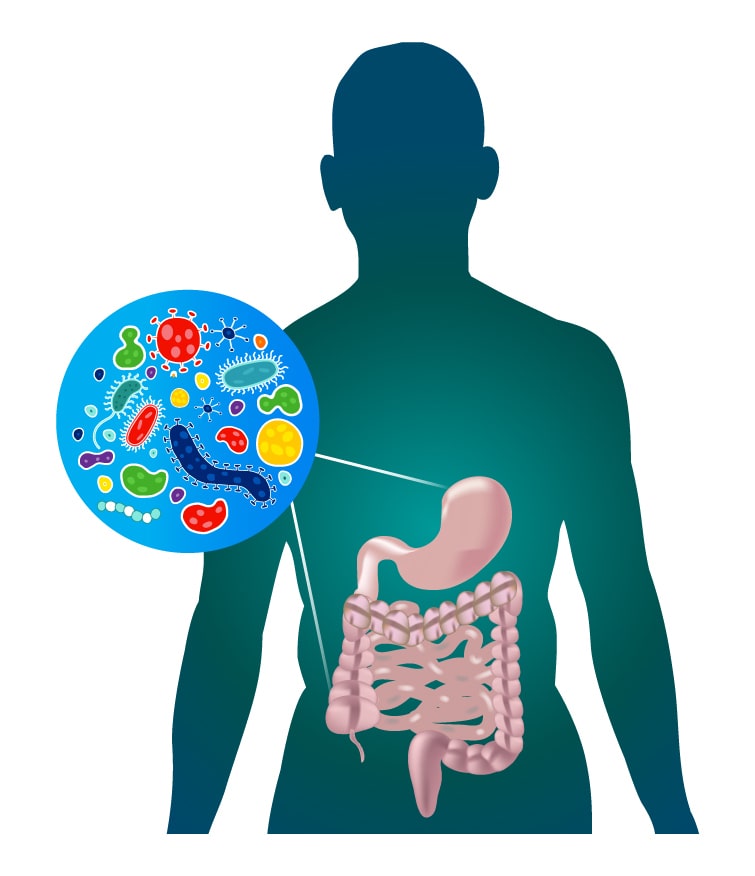
Over the last decade, gut health transitioned from a specialty wellness topic to a blanket theme of modern medicine. By 2025, mounting scientific evidence has made one thing clear: how your gut is doing has nothing to do with digestion—it has everything to do with your immune system, brain function, metabolism, and even mood.
At the center of this debate is the microbiome, a huge community of trillions of microbes that live in your digestive system. Once the unseen man, the gut microbiome is now seen as a powerful organ in and of itself, with an impact on nearly every aspect of human health.
Why gut health more than ever today? And how to maintain it?
What Is the Microbiome?
Your microbiome is the bacteria, viruses, fungi, and other microbes that live primarily in your intestines. While it might sound scary to be walking around with microbes, these tiny critters are critical to survival. They help with:
- Breaking down food
- Vitamin synthesizing like B12 and K
- Immune system support
- Regulating inflammation
- Communication with the brain via the gut-brain axis
In 2025, the microbiome is no longer viewed as passive—it’s an active force for long-term health and disease prevention.
1. Understanding the Gut Microbiome: Your Internal Ecosystem
The gut microbiome is a vast community of trillions of bacteria, viruses, and fungi living in your intestines. These microbes aren’t just passive passengers—they play a vital role in digestive health, vitamin absorption (B12, K), inflammation regulation, and even brain-gut communication via the gut-brain axis. Today, optimizing your microbiome is seen as a path to overall health and disease prevention.
2. Gut Health and Mental Wellness: The Gut-Brain Axis
One of the biggest breakthroughs in recent years is the connection between gut health and mental health. The gut produces up to 90% of serotonin, a hormone that regulates mood. Imbalances in gut flora are now linked to anxiety, depression, and cognitive decline. This emerging science, often searched under gut health and mental health, underscores the importance of probiotics for emotional stability.
3. Immunity Starts in the Gut
With nearly 70% of the immune system located in the gut, a healthy microbiome helps the body fight pathogens and reduce inflammation. Post-pandemic consumers are increasingly searching for natural immune boosters and gut health for immunity—recognizing that a diverse gut ecosystem is key to long-term health resilience.
4. Gut Microbiota and Weight Management
Your gut directly impacts metabolism, fat storage, and insulin sensitivity. Studies show that an imbalanced microbiome can lead to weight gain, insulin resistance, and type 2 diabetes. Health-savvy users now search for probiotics for weight loss, microbiome and metabolism, and gut flora and fat burning when seeking sustainable lifestyle changes.
5. Common Signs of an Unhealthy Gut
Do you suffer from bloating, fatigue, sugar cravings, or skin conditions like eczema or acne? These are all common symptoms of gut dysbiosis. Early detection through microbiome testing kits and attention to these signs can prevent chronic diseases down the line.
6. Prebiotics and Probiotics: Your Gut’s Best Friends
To maintain gut health, incorporate prebiotic-rich foods like garlic, onions, and leeks, and probiotic sources like yogurt, kefir, kimchi, and sauerkraut. Combining the two—also known as synbiotics—promotes the growth of healthy bacteria. Searches for best foods for gut health and top probiotics for digestion continue to rank high in SEO and CPC metrics.
7. Microbiome Diversity Through Diet
Eating a wide variety of plant-based, fiber-rich foods is essential for gut flora diversity. Experts now recommend consuming at least 30 different plant-based foods weekly. This approach supports microbiome health and aligns with popular keywords like diverse gut diet and plant-based for microbiome.
8. Avoiding Antibiotic Overuse and Managing Stress
While antibiotics are life-saving, overuse can wipe out good bacteria. In tandem, chronic stress leads to gut permeability and inflammation. Practices such as meditation, breathwork, and yoga not only reduce stress but also support the gut-brain axis—topics frequently searched under natural remedies for leaky gut and stress and digestion.
9. Advanced Gut Health Supplements in 2025
Today’s gut health supplements are more advanced, strain-specific, and data-driven. Popular strains include Lactobacillus plantarum for inflammation, Bifidobacterium longum for mood regulation, and Saccharomyces boulardii for digestive defense. Consumers now rely on personalized probiotics and AI-powered supplement plans based on individual microbiome analysis.
10. The Future of Personalized Gut Health
With the rise of at-home microbiome testing kits and AI-based nutrition platforms, individuals can now receive customized health recommendations based on real-time gut data. In 2025, gut health is no longer one-size-fits-all—it’s personalized, measurable, and trackable. The search volume for personalized gut health plans and AI gut health apps continues to surge.
Final Thoughts: Your Gut Is the Gateway to Health
From digestion to mood regulation, your gut microbiome controls more than you realize. If you’re dealing with fatigue, cravings, or immune challenges, healing your gut may be the first step toward total wellness. Investing in gut-friendly nutrition, targeted supplements, and stress management could transform your health from the inside out.